-
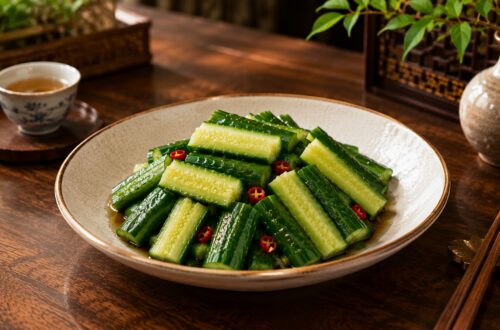
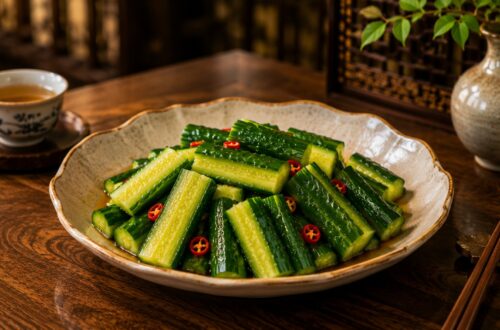
Weekly Buddhist Diet: Sesame Oil Cucumber Salad
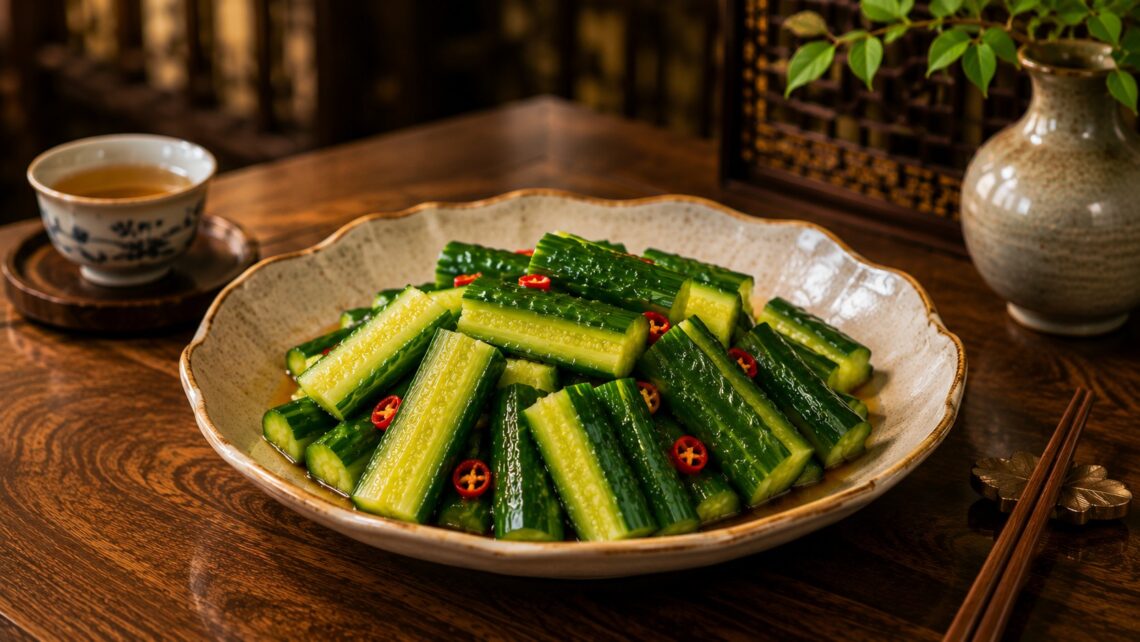
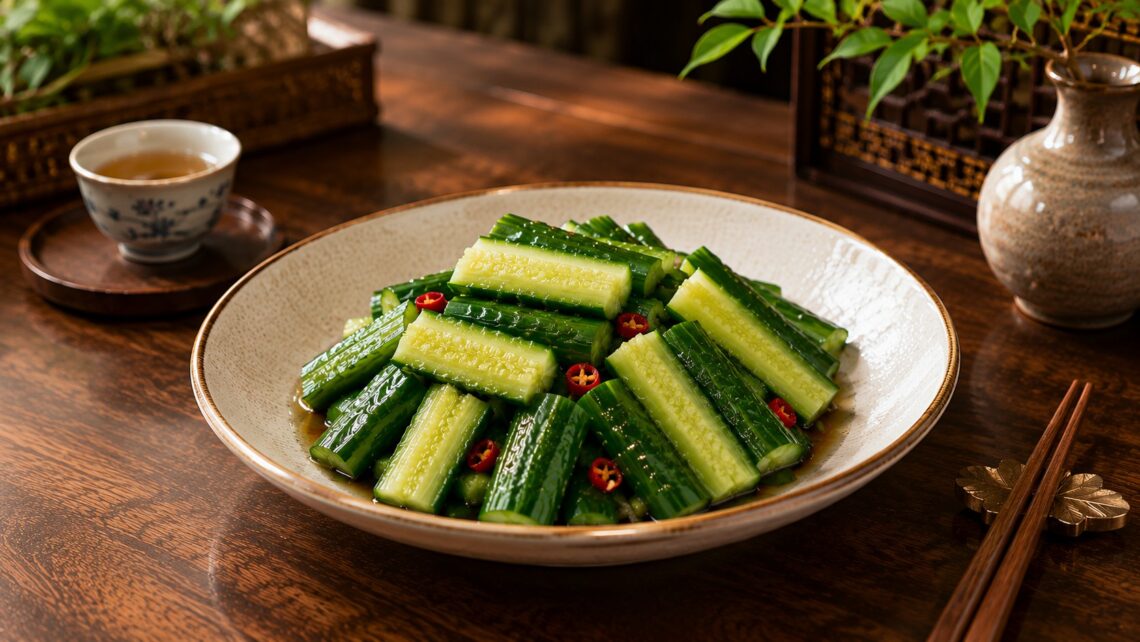
Fourth week of April 2026 Summary: Sesame Oil Cucumber Salad is a light and refreshing dish with a crisp texture and delicate flavor. The cucumber’s natural sweetness and high water content make it perfect for a simple cold dish. A drizzle of sesame oil enhances its aroma, creating a clean and refreshing taste. Cucumbers are hydrating and rich in vitamins, making them ideal for maintaining balance and freshness in daily meals. This dish is quick, simple, and highly refreshing. Ingredients: · Cucumber 2· Sesame oil 1 tsp· Salt to taste· Light soy sauce 1 tsp Instructions: 1. Crush and cut cucumber2. Add seasoning3. Mix well4. Let sit briefly before serving…
-
每週一素:麻油黃瓜
麻油黃瓜是一道清爽脆嫩、簡單開胃的經典涼菜。黃瓜本身水分豐富、口感清甜,搭配香油後更加清香順口。簡單調味即可呈現自然風味,是日常餐桌上極為常見卻十分受歡迎的一道素食小菜。 黃瓜富含水分與維生素,有助於補水與清熱。涼拌方式最大程度保留其營養與口感。
-
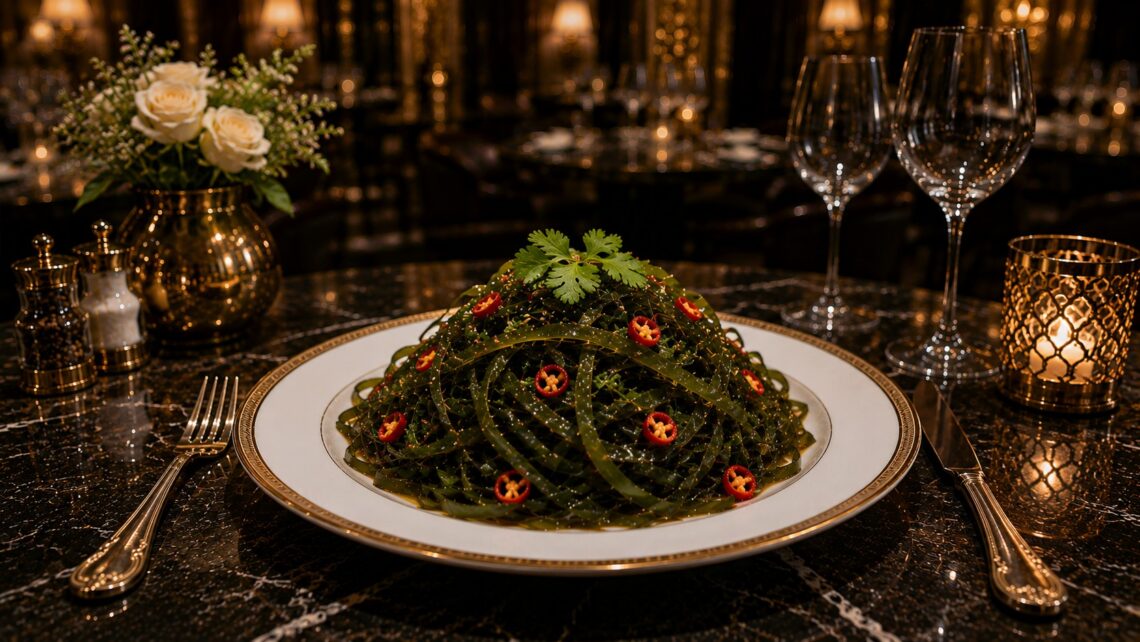
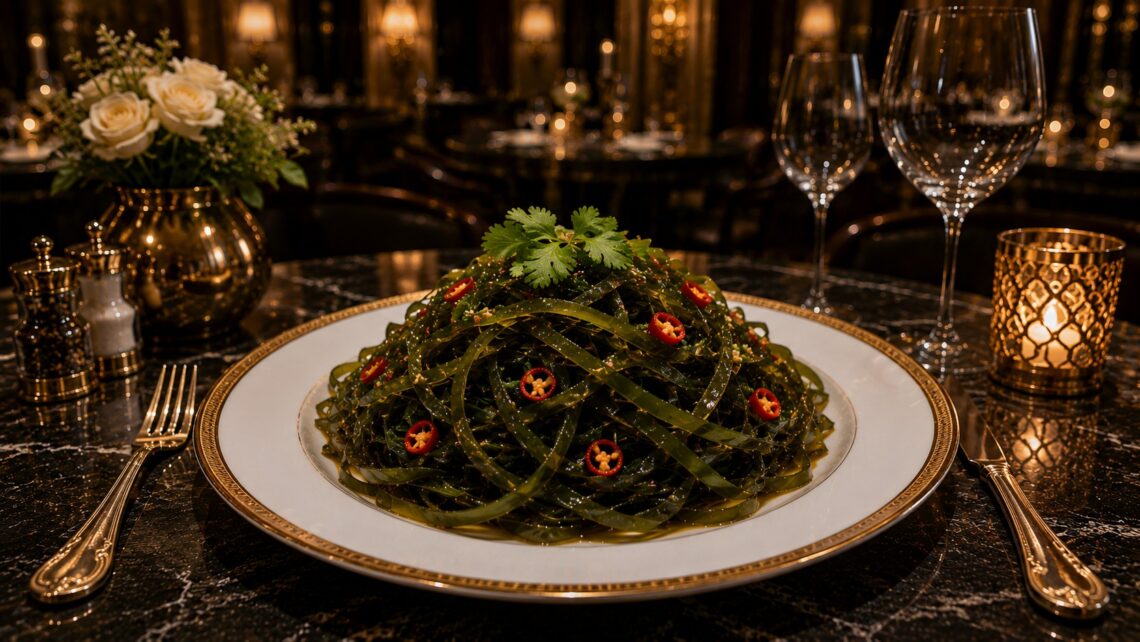
每週一素:涼拌海帶絲
每週一素:涼拌海帶絲 2026年4月 第3周 簡介:涼拌海帶絲是一道清爽開胃的經典涼菜,口感脆嫩,味道清新。海帶絲經過焯水後保持柔韌爽滑,搭配簡單調味,呈現出自然的鮮味與微微酸香。作為涼拌菜,它能夠很好地平衡餐桌上的油膩,是夏季與日常清淡飲食的理想選擇。海帶富含碘與膳食纖維,有助於維持身體代謝與促進腸道健康。涼拌方式減少油脂攝入,使營養保留更加完整。 材料:· 海帶絲 200 克· 香醋 1 茶匙· 生抽 1 湯匙· 鹽 適量· 香油 1/2 茶匙 做法:·海帶絲焯水·撈出過冷水·瀝乾放入碗中·加入調味料·拌勻即可 小貼士 焯水後過冷水可以使海帶更加爽脆。 每週一素,健康美味。開啟你的,素食生活。
-
Weekly Buddhist Diet: Cold Seaweed Salad
Weekly Buddhist Diet: Cold Seaweed Salad Third week of April 2026 Summary:Cold Seaweed Salad is a refreshing and light vegetarian dish known for its crisp texture and clean flavor. Blanched seaweed maintains a slightly firm and smooth bite, while simple seasoning highlights its natural umami taste. This dish is especially suitable for balancing heavier meals and is ideal for warm weather. Seaweed is rich in iodine and dietary fiber, supporting metabolism and digestive health. The cold preparation method preserves its nutrients while keeping the dish light and refreshing. Ingredients:· Seaweed strips 200 g· Rice vinegar 1 tsp· Light soy sauce 1 tbsp· Salt to taste· Sesame oil 1/2 tsp Instructions:·…
-
佛傳故事之七:仙人的預言
淨飯大王在夫人與太子的身旁,見到世間萬物皆在變動的情形,一面歡喜,一面又感到憂懼。 這時,有一位住在藍毗尼花園附近的婆羅門相者,他博學多聞,高才善辯,帶著歡喜踴躍的心情趕來,口口聲聲說要為太子相命。 當時淨飯大王正處於驚疑不定之中,便允許了他的請求...
-
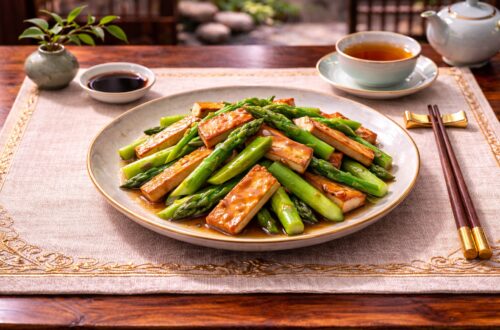
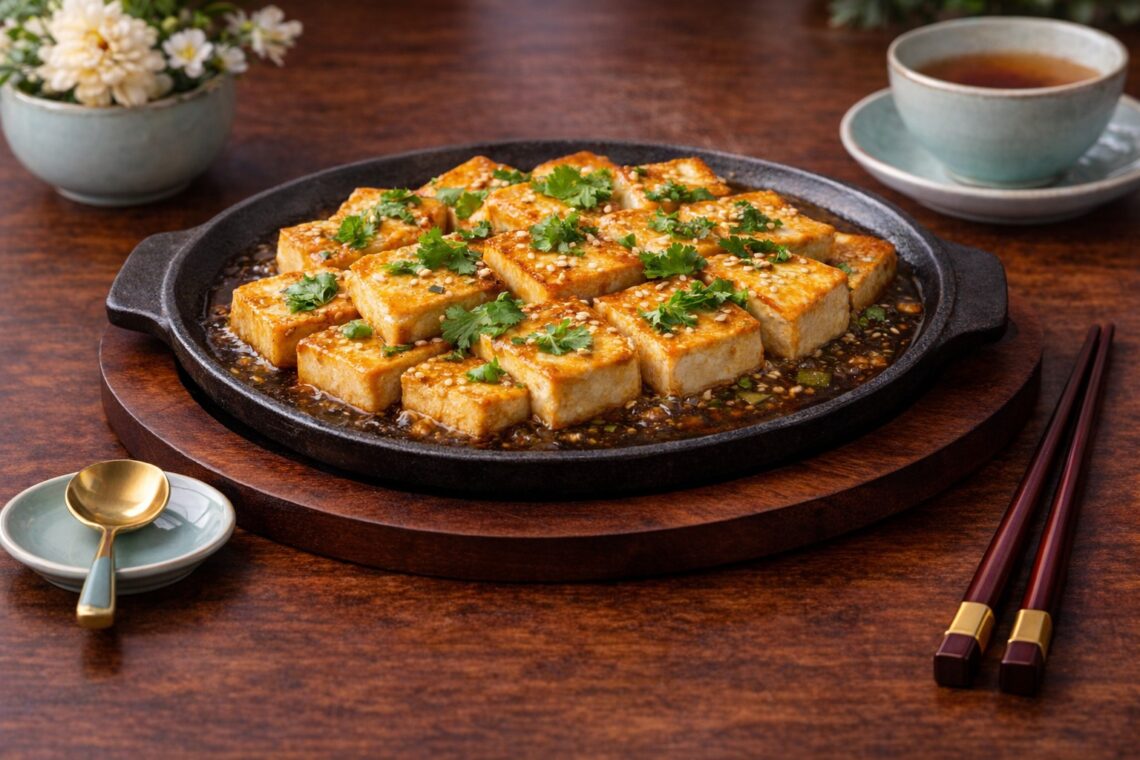
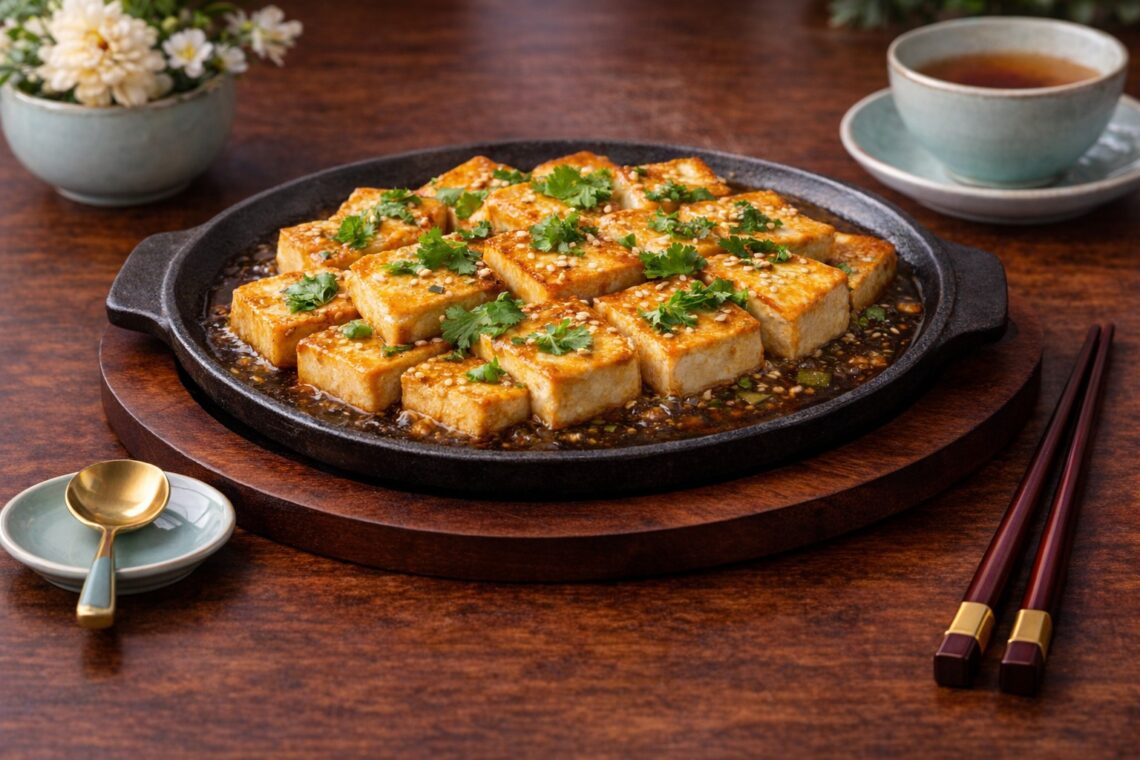
每周一素:鐵板豆腐
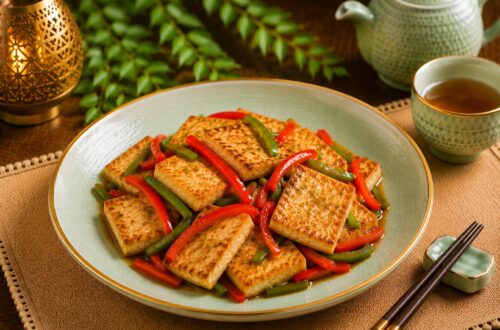
每周一素:鐵板豆腐 2026年4月第2週 簡介:鐵板豆腐是一道外香內嫩、口感豐富的素食熱菜。豆腐經過煎製後表面微微焦香,內部仍然柔軟細膩,再通過簡單調味提升整體風味。鐵板的高溫使香氣更加濃郁,呈現出獨特的鍋氣與層次感,是一道非常受歡迎的素食佳餚。豆腐富含植物蛋白與鈣質,是素食飲食中重要的營養來源。通過少油煎製,可以在保持風味的同時減少油脂攝入。 材料:· 北豆腐 400 克· 生抽 1 湯匙· 鹽 適量· 白胡椒粉 少許· 植物油 1 湯匙 做法:·豆腐切塊·鍋中加油煎至金黃·翻面繼續煎·加入調味·小火加熱入味·裝盤即可 小貼士 豆腐煎前可吸乾水分,更易上色。 每週一素,健康美味。開啟你的,素食生活!
-
Weekly Buddhist Diet: Sizzling Plate Tofu
Weekly Buddhist Diet: Sizzling Plate Tofu Second week of April 2026 Summary:Sizzling Plate Tofu is a popular vegetarian dish featuring tofu with a crispy outer layer and a soft interior. Lightly pan-fried tofu develops a golden crust, enhancing its texture while keeping the inside tender. The sizzling cooking style intensifies aroma and creates a rich yet simple flavor. Tofu is an excellent source of plant-based protein and calcium. Pan-frying with minimal oil preserves its nutritional value while adding depth of flavor. Ingredients:· Firm tofu 400 g· Light soy sauce 1 tbsp· Salt to taste· White pepper a pinch· Vegetable oil 1 tbsp Instructions: Plant-Based Wellness Tip Tofu provides protein and…
-
每周一素:酸菜炒粉條
每周一素:酸菜炒粉條 2026年4月 第1周 簡介:酸菜炒粉條是一道開胃爽口、口味鮮明的經典素食熱菜。酸菜的微酸與粉條的柔滑相互融合,在翻炒過程中形成酸香濃郁卻不刺激的風味。粉條吸收調味後變得晶瑩軟糯,而酸菜則帶來爽脆與輕微發酵香氣,使整道菜層次分明。簡單的調味即可突出食材本味,是一道非常適合日常素食餐桌的下飯佳品。 從營養角度來看,酸菜含有一定益生菌成分,有助於促進消化;粉條提供碳水化合物,補充能量。少油快炒的方式使菜品清爽不膩,既滿足口感,又兼顧健康。 材料:· 粉條 100 克· 酸菜 150 克· 青椒 1 個· 生抽 1 湯匙· 鹽 適量· 白胡椒粉 少許· 植物油 1 湯匙 做法: ·粉條泡軟備用·酸菜切段,青椒切絲·熱鍋加油翻炒酸菜·加入粉條翻炒·加入青椒調味·炒勻即可出鍋 小貼士 粉條不宜炒太久,以免過軟影響口感。 每周一素,健康美味。開啟你的,素食生活!
-
Weekly Buddhist Diet: Stir-Fried Vermicelli with Pickled Vegetables
Weekly Buddhist Diet: Stir-Fried Vermicelli with Pickled Vegetables The first week of April 2026 Summary:Stir-Fried Vermicelli with Pickled Vegetables is a flavorful and appetizing vegetarian dish that combines the tangy taste of pickled vegetables with the soft and chewy texture of vermicelli. The vermicelli absorbs the seasoning beautifully, becoming tender and slightly glossy, while the pickled vegetables add a refreshing sourness that enhances the overall flavor. The contrast between the soft noodles and crisp vegetables creates a satisfying texture. Pickled vegetables may support digestion due to their fermented nature, while vermicelli provides a steady source of energy. With minimal oil and simple cooking techniques, this dish remains light, balanced, and…
-
佛傳故事之六:藍毗尼園中太子降誕
一日,正值春末夏初的月圓之時,天朗氣清,風和日暖,實為難得的吉祥佳日。夫人向淨飯大王稟明,欲往迦毗羅衛國都郊外的藍毗尼園遊賞,並依當時習俗,於遊園後返回娘家待產。淨飯大王聞言,思及夫人已足月將產,歸母家分娩乃世俗常禮,亦不可違;然對夫人此時仍欲遊園,亦略感詫異。稍作思量後,便下令增派侍女隨行,並親自護送夫人,途經藍毗尼園,前往天臂城。 國王與夫人一行來到藍毗尼園。園中花木扶疏,景色清麗。夫人於清澈柔和的池水中沐浴之後,行至一株蓊鬱蒼翠的無憂樹下,扶枝而立,稍作歇息。忽然之間,身心微感異動;剎那間,無憂樹下自然湧現七寶蓮花,光潔瑩潤,大如車輪。太子遂自母親右脅安然降誕,落於蓮臺之上。
-
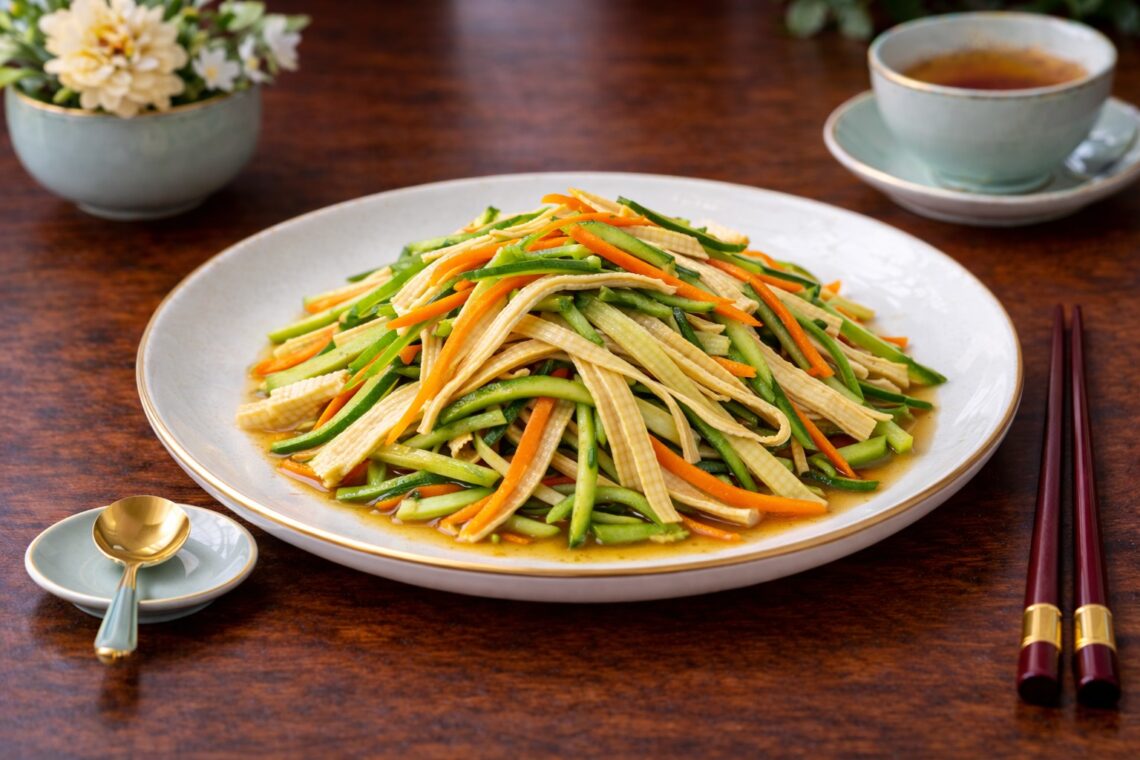
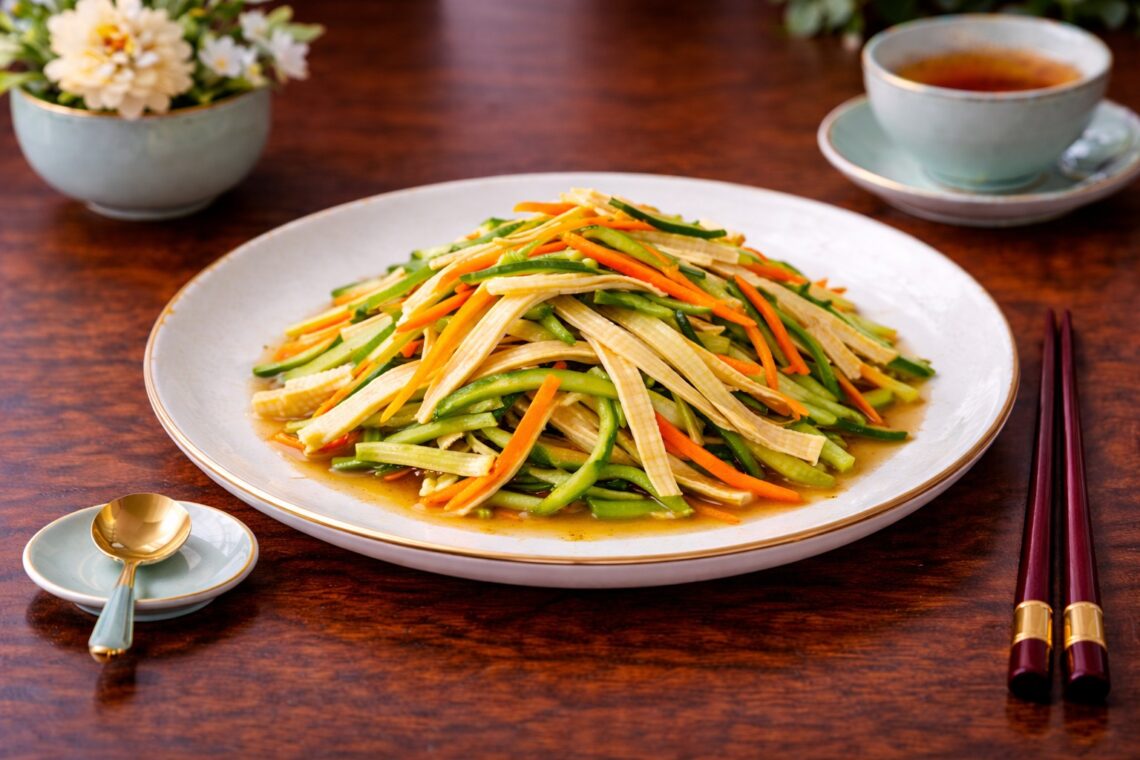
每周一素:三絲拌豆皮
三絲拌豆皮是一道清爽可口、營養均衡的經典涼拌素食菜。豆皮柔韌細膩,富含濃郁的豆香,與胡蘿蔔絲、黃瓜絲和青椒絲等新鮮蔬菜搭配,形成色彩豐富、口感多層的清爽組合。豆皮在吸收調味汁後更加柔軟入味,而蔬菜絲則保持清脆爽口,使整道菜既清香又富有層次。簡單的涼拌方式能夠突出食材本身的自然味道,是一道非常適合作為開胃菜或夏季清爽小菜的素食佳品。
-
Weekly Buddhist Diet: Bean Curd Sheet Salad with Three Shredded Vegetables
Weekly Buddhist Diet: Bean Curd Sheet Salad with Three Shredded Vegetables 4th week of March 2026 Summary:Bean Curd Sheet Salad with Three Shredded Vegetables is a refreshing vegetarian dish featuring tender bean curd sheets combined with crisp vegetables such as carrot, cucumber, and green pepper. The bean curd sheets absorb the light seasoning while maintaining their soft yet chewy texture. The fresh vegetables add color, crunch, and natural sweetness, creating a balanced and refreshing salad. Bean curd sheets are rich in plant-based protein and essential minerals, making them an important ingredient in vegetarian diets. Fresh vegetables provide fiber and vitamins that support digestion and overall health. The simple cold dressing…