Indian Pilgrimage Trip
-
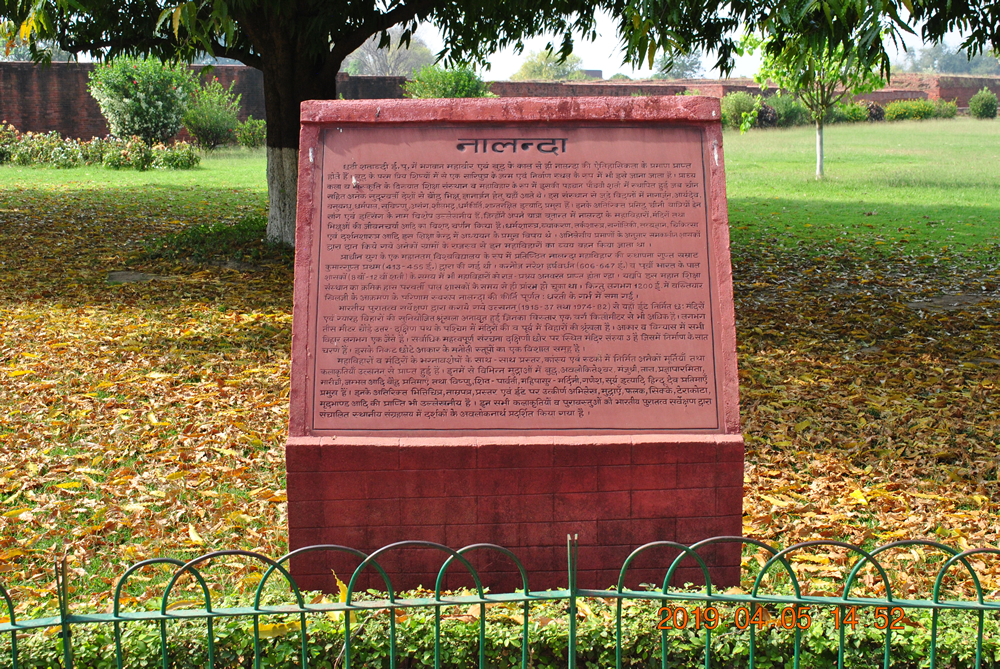
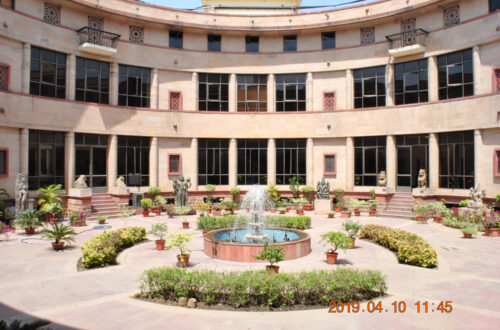
Day 5: Vulture Peak – Nalanda – Xuan Zang Memorial Hall
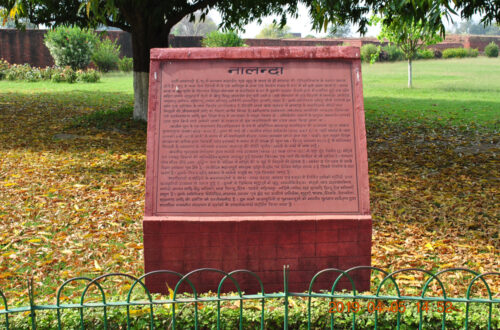
Travel Date: 2019-04-05 Vulture Peak Vulture Peak, also known as Gṛdhrakūṭa, is located near Rajgir in Uttar Pradesh, India, and is one of the most significant Buddhist sacred sites. Siddhartha Gautama, the Buddha, delivered many teachings here, including the Lotus Sutra. Vulture Peak is renowned for its association with the Buddha’s sermons, symbolizing the wisdom and compassion of Buddhist teachings. The mountain offers serene beauty and a tranquil atmosphere, making it a vital site for Buddhist worship and meditation. It is also the origin of the “Vulture Peak Assembly” mentioned in Buddhist traditions, attracting countless pilgrims for reflection and reverence. Nalanda Nalanda, located in present-day Bihar, India, was a renowned…
-
Day 6: Vaishali – Kesariya
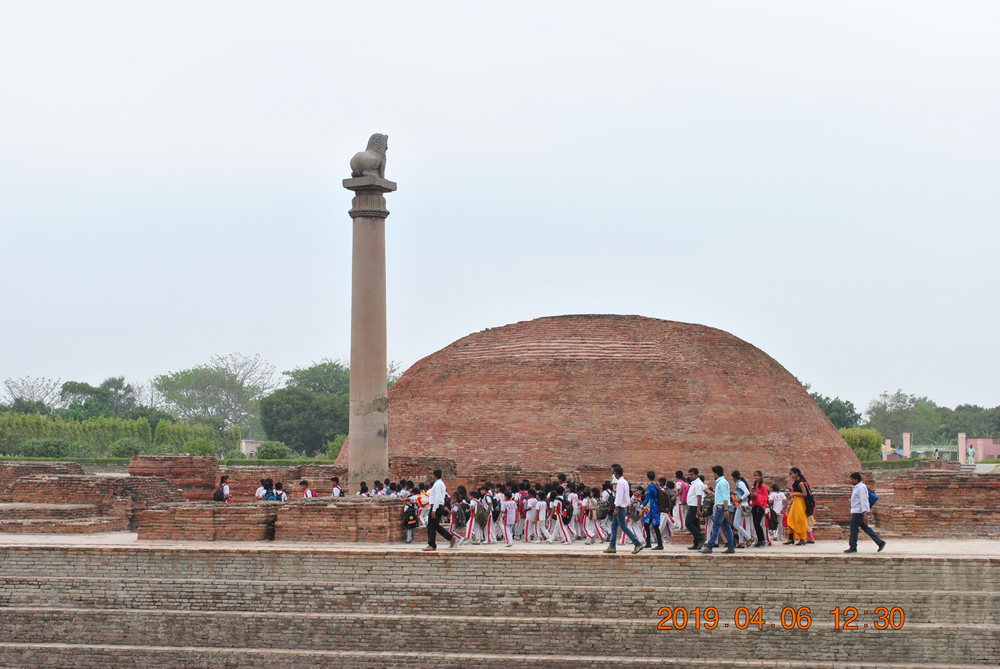
Travel Date: 2019-04-06 Vaishali Vaisali, an ancient and renowned city in India, was one of the significant places where Buddha preached. It served as the capital of the Vajji Republic, known for its thriving commerce, culture, and as one of the earliest democracies in history, establishing a republican system of governance. Buddha announced his approaching Parinirvana here and delivered important teachings, such as the Mahaparinibbana Sutta. Vaisali is regarded as a sacred Buddhist site, drawing countless pilgrims to pay homage and reflect on its spiritual legacy. Kesariya Stupa Kesariya Stupa, located in Bihar, India, is one of the most significant relics in Buddhist history. It is believed to be the…
-
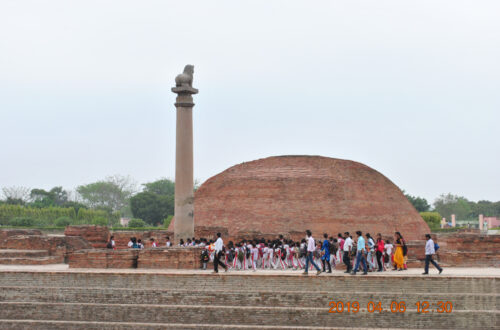
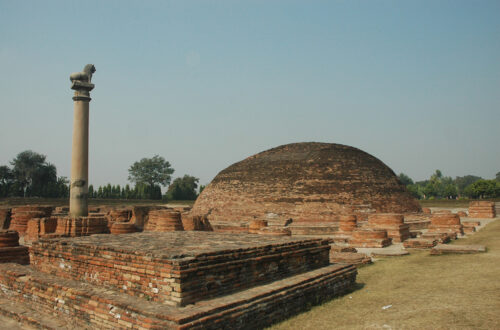
Day 7: Kushinagar-Angara Chaitya-Ramabha Stupa
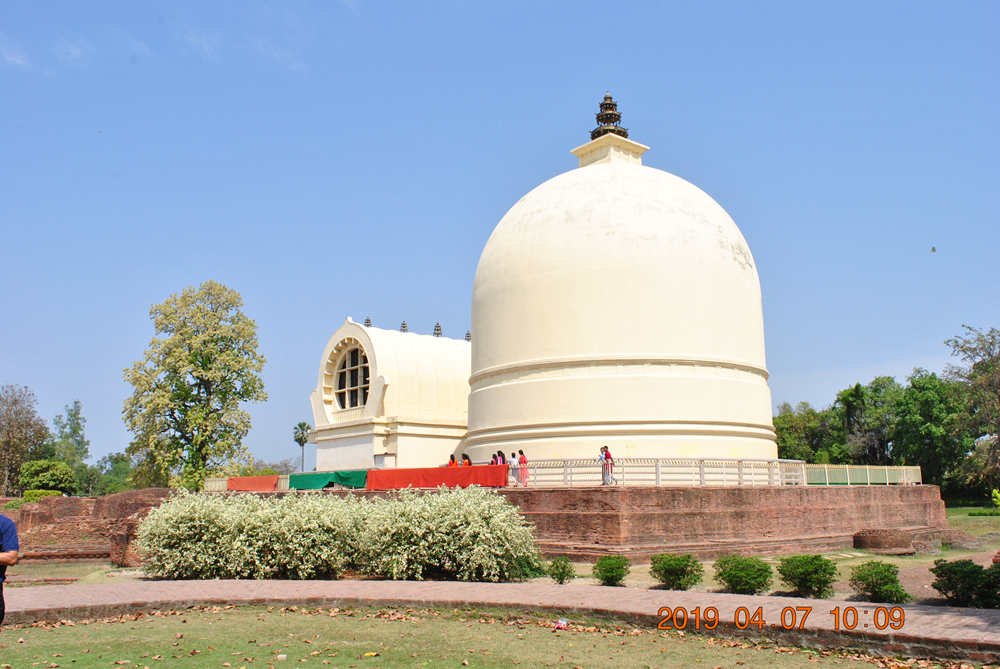
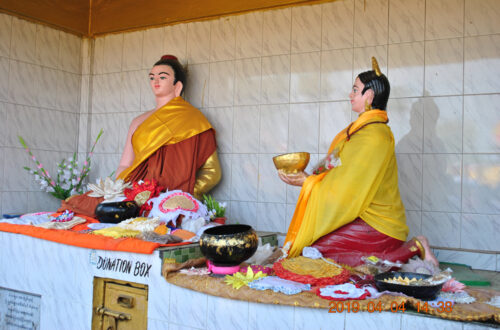
Travel Date: 2019-04-07 Kushinagar Kushinagar is a renowned Buddhist pilgrimage site in ancient India, located in present-day Uttar Pradesh, India. It is famous as the place where Siddhartha Gautama, the Buddha, attained Mahaparinirvana (final nirvana). According to the Mahaparinibbana Sutta, the Buddha passed away peacefully between the twin Sala trees in Kushinagar. After his passing, his disciples conducted a grand cremation ceremony here, and his relics were distributed among various kingdoms for veneration. Historically, Kushinagar was a flourishing Buddhist center with numerous monasteries and monastic communities. However, it gradually declined due to political and historical changes. Modern archaeological excavations have reaffirmed its historical significance, making it one of the most…
-
Day 8: Lumbini – Kapilavastu – Nepal
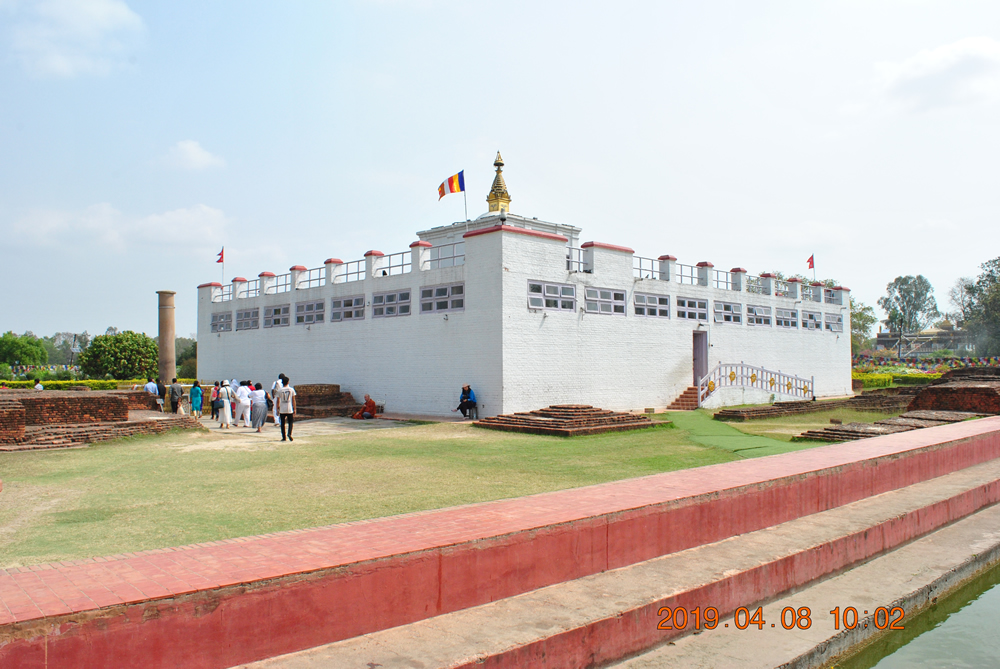
Travel : 2019-04-08 Lumbini Lumbini, located in southern Nepal, is the birthplace of Siddhartha Gautama, the Buddha, and one of the Four Great Buddhist Holy Sites. According to Buddhist scriptures, Buddha was born here in 623 BCE under a sal tree while Queen Maya was strolling in the garden. Lumbini holds immense religious and historical significance as the origin of Buddhist faith. Key attractions in Lumbini include:Maya Devi Temple,Ashoka Pilla,Sacred Pond.Lumbini is recognized as a UNESCO World Heritage Site, drawing countless Buddhist devotees and visitors for pilgrimage and reflection. It stands as a vital symbol of global Buddhist culture. Kapilavastu Kapilavastu, an ancient city in northern India, is renowned as…
-
Day 9: Jetavana Vihara
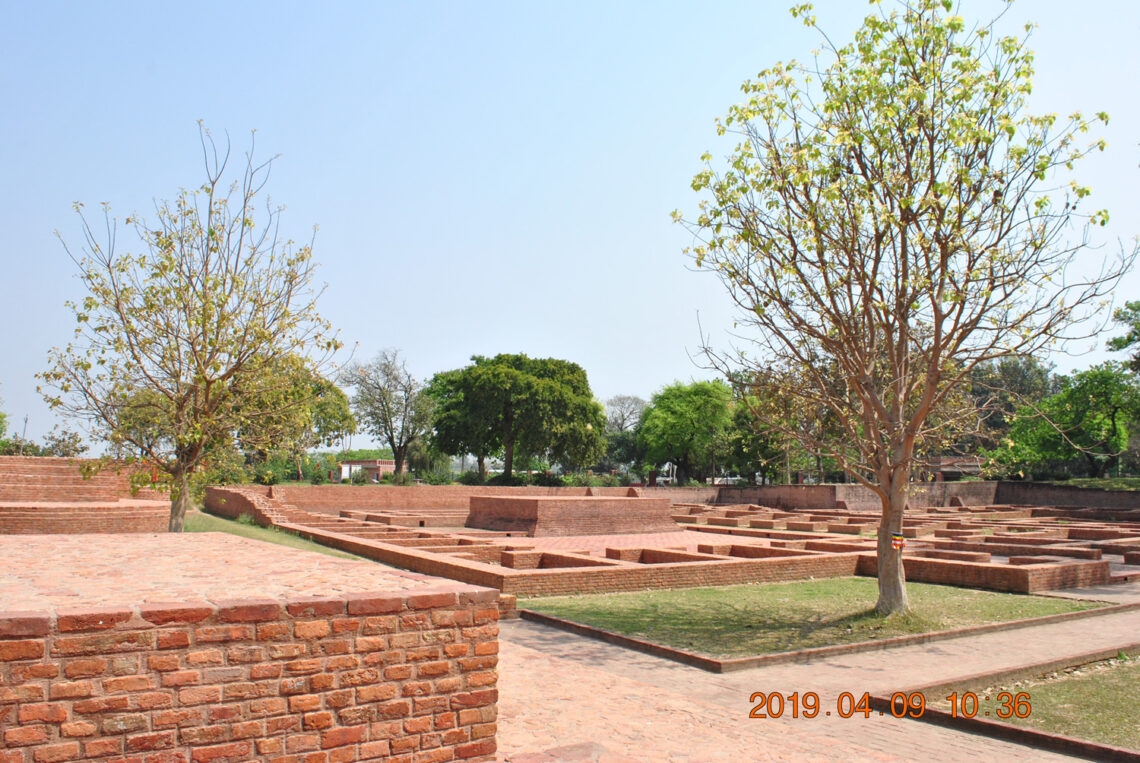
Travel Date:2019-04-09 Jetavana Monastery Jetavana Monastery, formally known as Jetavana Anathapindika Arama, was the first officially established Buddhist monastic community in history. Located in the ancient city of Shravasti (present-day Uttar Pradesh, India), it was built on land purchased by the wealthy benefactor Anathapindika (Sudatta) from Prince Jeta, hence its name. Jetavana Monastery was one of the most frequented and long-lasting places where Buddha taught, with many significant scriptures, such as the Diamond Sutra and Lotus Sutra, being expounded here. Jetavana served not only as a residence and teaching center for Buddha but also as a crucial base for the Sangha to practice, observe monastic discipline, and spread Buddhist teachings.…